- Completely Confidential
- Highly Educated & Experienced Attorneys
- Available 24/7 to answer your call
-
In addition to Armenian, certain lawyers
offer services in Russian, Georgian and Farsi
 Pastaban
Visit Us at the Armenian on June 1, 2023Learn More
PastabanStudent visas are vital for international students aiming to study in the United States, offering an avenue to receive education from some of the world’s most prestigious institutions. The U.S. student visa system comprises two primary categories: the F-1 visa and the M-1 visa.
The F-1 visa is intended for academic students, including those enrolled in colleges, universities, high schools, and language programs. It allows students to pursue full-time studies while also permitting limited on-campus employment and optional practical training. The M-1 visa is designated for vocational and technical students who are enrolled in non-academic programs that provide specific skills training. Both visas are designed to support educational and cultural exchange by allowing students to live and study in the U.S. for the duration of their programs. The student visa process includes obtaining a Form I-20 from a U.S. institution, applying for the visa, and fulfilling specific requirements, such as proving financial capability and maintaining a valid status throughout their stay.
In the U.S., the main types of student visas are the F-1 and M-1 visas, each catering to different educational pursuits. The F-1 visa is the most common and is used by students who are enrolled in academic programs at institutions such as universities, colleges, and high schools. F-1 visa holders are permitted to work on-campus up to 20 hours per week during the academic year and full-time during breaks. Additionally, they can apply for Curricular Practical Training (CPT) and Optional Practical Training (OPT), allowing them to gain work experience related to their field of study. The M-1 visa, on the other hand, is intended for those pursuing vocational or technical education at institutions that focus on specific trades or technical skills. M-1 visa holders can engage in practical training related to their program but are not allowed to work off-campus. Each visa type comes with its set of regulations and opportunities, reflecting the U.S.’s commitment to accommodating diverse educational needs.
To qualify for a student visa, individuals must first gain acceptance into a SEVP-certified institution in the United States. This involves being admitted to an accredited school that is authorized to enroll international students. Once accepted, the student will receive a Form I-20, which is required for the visa application process. Applicants must also demonstrate that they have sufficient financial resources to cover tuition and living expenses during their stay in the U.S. This typically involves showing bank statements, affidavits of support, or scholarship awards. Additionally, applicants must prove their intent to return to their home country upon completion of their studies, as student visas are non-immigrant by nature. A clean criminal record and a successful visa interview are also crucial. During the interview, applicants need to present all required documentation, including their Form I-20, DS-160 confirmation page, SEVIS fee receipt, and passport.
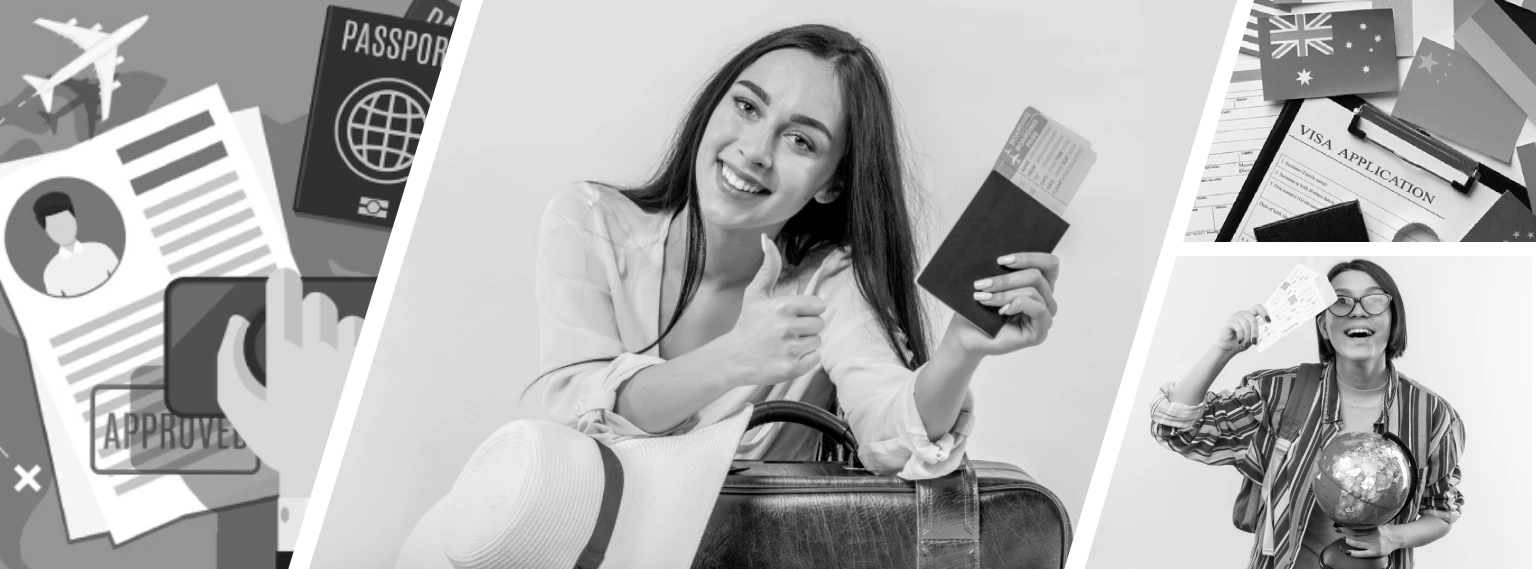
The process of applying for a student visa involves several critical steps. Initially, the applicant must be accepted into a Student and Exchange Visitor Program (SEVP)-certified school and receive a Form I-20 from the institution. Following this, the applicant must pay the SEVIS fee and complete the DS-160 visa application form online. After completing these forms, the next step is to schedule an appointment at the U.S. embassy or consulate in the applicant’s home country for a visa interview. During the interview, the applicant will need to provide their Form I-20, DS-160 confirmation page, SEVIS fee receipt, and evidence of financial support. Additionally, they must demonstrate their intent to return to their home country after their studies. The consular officer will assess the applicant’s qualifications and documentation before making a decision. If approved, the student will receive their visa and can enter the U.S. up to 30 days before their program start date.
The length of stay allowed under a student visa is tied to the duration of the academic program, as indicated on the Form I-20, plus a 60-day grace period for F-1 visa holders or a 30-day grace period for M-1 visa holders. This grace period allows students time to prepare for departure, transfer to another school, or apply for a change of status. F-1 students who wish to gain work experience can apply for Optional Practical Training (OPT), which allows for up to 12 months of work in their field of study. STEM (Science, Technology, Engineering, and Mathematics) graduates may be eligible for a 24-month extension of OPT. M-1 students are generally limited to the length of their program and have fewer opportunities for extension or work experience. To maintain legal status, students must ensure they continue to meet all visa requirements and adhere to the regulations set forth by the U.S. Citizenship and Immigration Services (USCIS).
Student visa holders in the U.S. have access to various work opportunities, although the scope and type of employment allowed vary by visa category. F-1 visa holders can work on-campus up to 20 hours per week during the academic term and full-time during breaks. They may also apply for Curricular Practical Training (CPT), which allows them to work off-campus in a job directly related to their field of study, provided it is an integral part of their curriculum. Additionally, F-1 students can participate in Optional Practical Training (OPT) after completing their studies, providing them with up to 12 months of work experience, with an additional 24-month extension for those in STEM fields. M-1 visa holders, however, have more limited work options. They are primarily restricted to practical training directly related to their vocational program and generally cannot work off-campus. It’s crucial for student visa holders to comply with all work regulations to avoid jeopardizing their visa status.
Student visas offer numerous benefits beyond the opportunity to study in the U.S. One of the primary advantages is access to a high-quality education system, which includes exposure to diverse academic disciplines, cutting-edge research, and advanced technological resources. Additionally, student visa holders can experience American culture firsthand, build international networks, and gain unique skills that enhance their global employability. The opportunity to engage in on-campus employment, CPT, and OPT further allows students to gain practical work experience that complements their academic learning. These experiences not only bolster their resumes but also provide a competitive edge in the global job market. Overall, student visas enable individuals to acquire knowledge, skills, and cultural experiences that contribute significantly to their personal and professional development.
While student visas provide valuable opportunities, they also present several challenges. The cost of education in the U.S. can be high, and students must ensure they have adequate financial resources to cover tuition and living expenses. Maintaining full-time enrollment and academic progress is crucial for keeping the visa status valid, which can be demanding and stressful. Navigating the complex visa application process, including understanding legal requirements and documentation, can be overwhelming. Additionally, F-1 students must balance their studies with work opportunities, which can be challenging. M-1 visa holders face further limitations with restricted work options and shorter visa durations. It’s essential for students to thoroughly research and prepare for these challenges, seeking guidance from their educational institutions or immigration advisors to ensure a successful and fulfilling experience in the U.S.
Student visas open doors to world-class education and cultural experiences in the United States, offering international students a chance to advance their academic and professional goals. Despite the complexities of the visa application process and the challenges of maintaining visa status, the opportunities provided by F-1 and M-1 visas are substantial. From gaining access to top-tier educational institutions to participating in work opportunities and experiencing American culture, student visas offer a transformative experience that can significantly impact a student’s future. By understanding the different types of student visas, meeting eligibility requirements, and adhering to regulations, students can make the most of their time in the U.S., equipping themselves with the knowledge and skills needed for success in a globalized world.
Overview
F-1 Student Visa
The F-1 Student Visa is designed for individuals pursuing academic studies at U.S. institutions such as universities, colleges, and language schools. It allows students to study full-time and offers opportunities for on-campus employment, Curricular Practical Training (CPT), and Optional Practical Training (OPT) upon completion of their studies.
M-1 Vocational Student Visa
The M-1 Vocational Student Visa is for students enrolled in non-academic or vocational programs at U.S. institutions, focusing on technical or practical skills. It allows students to complete their vocational training and engage in practical training related to their field, but it does not permit off-campus employment during the study period.
Contact us, and we will assist in connecting you with the right lawyer.
Need immediate assistance?
Call us!
Contact us, and we will assist in connecting you with the right lawyer.
Need immediate assistance? Call us


 English
  Armenian